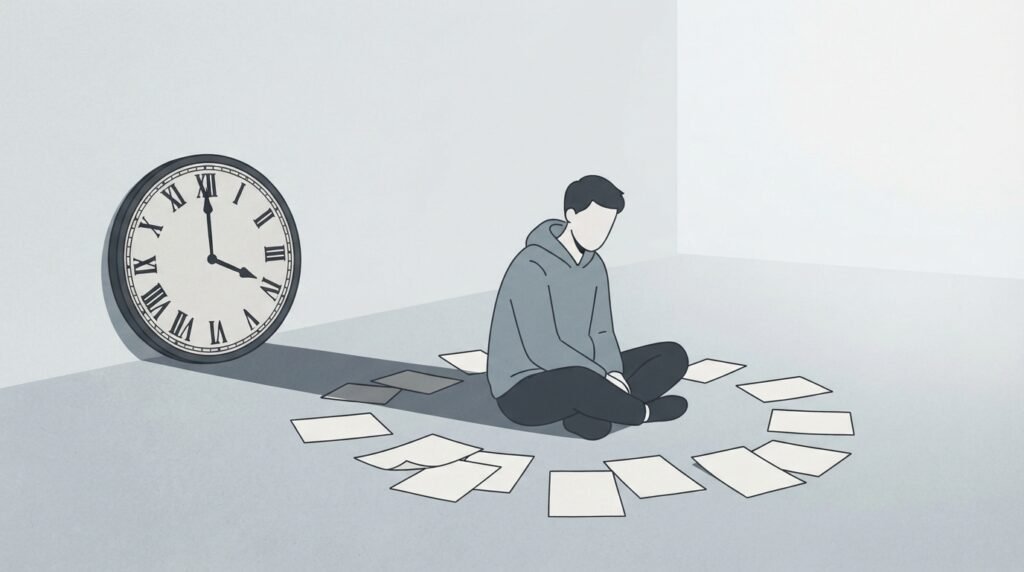
It’s 2 a.m. and you’re staring at your Thermodynamics notes, still untouched and looking like a mini Mayon Volcano on your desk. The Circuits group report? Half-baked, kasi you kept telling yourself, “Mamaya na, may oras pa.” Your coffee’s gone cold, your heart’s racing, and that little voice in your head is back: “Kaya pa ‘yan, all-nighter na lang ulit.” Classic, right?
If you’re an engineering student in the Philippines, chances are this scenario hits close to home. With endless plates, labs, maybe a part-time raket or family utos, plus the pressure to graduate on time (para hindi mapagalitan sa bahay), it’s no wonder procrastination feels like second nature. You promise yourself, “Next time, maaga ako magsisimula.” But then, boom—another deadline, another round of cramming. Paulit-ulit na lang.
But here’s the thing: it’s not just about getting a low grade or another INC. The real damage is how your confidence slowly takes a hit. Stress piles up until you feel like you’re running on fumes. Instead of actually learning, you’re just trying to survive each subject. If this keeps up, it’s not just your grades that suffer—it’s how you see yourself as a future engineer, the kind who’ll one day build bridges, systems, or maybe even the next MRT (hopefully mas maayos!).
But real talk: chronic procrastination isn’t a sign na tamad ka or hopeless ka na. It’s just a pattern—and patterns can be changed. Maraming engineering students have already shifted from puro habol to steady progress. Kaya mo rin ‘yan.
Understanding the Real Problem
Most of the time, procrastination isn’t about being lazy. It’s about being overwhelmed. Engineering subjects are no joke—long problem sets, mind-boggling concepts, and projects na hindi mo matatapos sa isang upuan lang. When everything feels sabay-sabay, your brain just wants to escape. Suddenly, scrolling TikTok, binge-watching K-drama, or even cleaning your kalat becomes top priority.
And let’s be honest, we make it harder for ourselves. Some of us wait for motivation to magically appear (spoiler: it rarely does). Others try to power through with pure willpower, thinking, “Kailangan ko lang ng disiplina.” Then there’s the all-nighter crew, wearing puyat like a medal—proof na “survivor” ka sa engineering. But in reality, kulang sa tulog and cramming just lead to more stress and less real learning.
May dagdag pa—Filipino family expectations. A lot of us feel the pressure not to let our parents down, so asking for help sometimes feels like admitting defeat. Kaya ayun, the cycle goes on: delay, panic, konting ginhawa after the deadline, tapos guilt and another promise to do better. It’s not that you don’t care. The real issue is, our default setup makes it easier to choose short-term comfort over long-term progress.
The Shift That Changes Everything
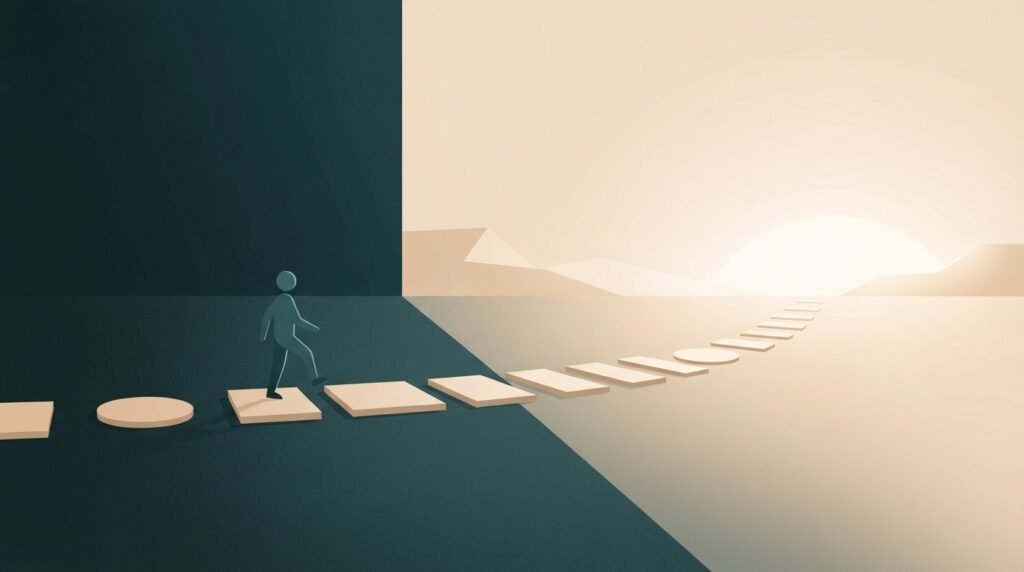
The real game-changer isn’t about trying harder. It’s about changing how you start and how you set up your work. Instead of waiting for a big wave of motivation, make the first step so small, parang wala nang dahilan para hindi ka magsimula.
Here’s a practical system you can begin today:
- Gawing maliit ang unang hakbang. Instead of telling yourself, “Mag-aaral ako ng Thermo for three hours,” try this: open your notes and solve just one sample problem. Or just write the title and first sentence of your lab report. Once you get going, madalas tuloy-tuloy na. Engineering is all about breaking down big problems into smaller, doable parts anyway.
- Try time-boxed focus instead of endless study sessions. Set a timer for 25 to 40 minutes (Pomodoro style, or longer if you’re in the zone). For that time, focus on just one task. When the timer rings, take a legit break—huwag pilitin. This way, you don’t feel like you need to study all night just to get things done.
- Planuhin mo na the night before. Before you sleep, jot down three specific things you want to finish the next day. For example: “Sagutan problems 4–7 sa Chapter 5,” “Gawa ng intro at methodology ng design project,” or “Basahin feedback sa last lab report.” Being specific saves you from overthinking when you start.
- Protect your energy, hindi lang oras. Engineering needs sharp thinking, so get enough sleep, take short walks between study blocks, and eat real meals (hindi lang instant noodles, please). All-nighters might feel productive, pero babawiin din ng katawan mo ‘yan bukas.
- Find accountability that works for you as a Filipino student. Tell a trusted classmate your three tasks for the day, or join a quick virtual study session—kahit five minutes lang na naka-on ang camera habang nagsisimula lahat. Sometimes, a little pressure from friends is all you need to stay on track.
These steps work because they close the gap between what you want to do and what you actually do. When starting is easy and the work feels bite-sized, procrastination doesn’t stand a chance.
From Struggling Student to Confident Achiever
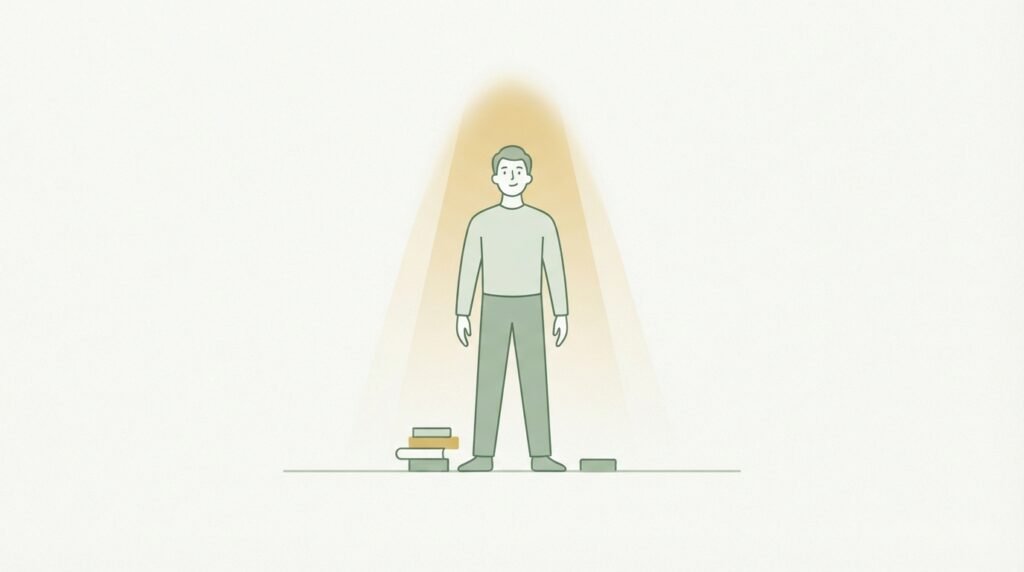
Students who stick with these habits notice a quiet but real change. That constant panic? Slowly disappears. Deadlines stop feeling like emergencies. Grades get better—not because you suddenly became a genius, but because you actually understand more when you start earlier and do a little bit at a time.
You’ll notice your focus gets sharper. Stress goes down because you’re not always in habol mode. Self-discipline builds up from small wins, not big dramatic promises. And your confidence grows when you see you can meet your goals without sacrificing sleep or your sanity.
And it’s not just about school. These habits set you up for life after graduation. Engineering jobs reward those who deliver on time, handle complicated projects, and stay kalmado under pressure. The same tricks that help you finish a report now will help you handle real deadlines, clients, and team projects later on.
You stop seeing yourself as the student na laging panic mode sa dulo. You start seeing yourself as someone who can plan, execute, and actually finish. That’s the real win.
Conclusion
Procrastination doesn’t mean you’re not meant for engineering. It just means your current style needs an upgrade. The students who break the cycle aren’t perfect—they just swap last-minute survival for small, steady actions that add up over time.
Success in engineering—both in school and at work—comes less from being a genius and more from having good habits and smart systems. You already have the brains and the sipag. What’s left is building routines that let those strengths shine every day.
No need to change your whole life in one go. Just make your next start a little bit easier than the last.
Call to Action
If you’re tired of fighting the same battle every sem, DISKARTE UNLOCKED is for you. The book is packed with practical tips to help you build better study habits, real self-discipline, and a stronger mindset—kahit under pressure. It’s full of strategies that actually work for Filipino students, whether you’re juggling heavy loads, limited resources, or just need more diskarte in life.
Not ready to grab your copy of DISKARTE UNLOCKED? No worries! Download the free e-book, 7-Day Detox Diskarte, and try out simple ways to boost your focus, productivity, and study habits—starting today.
The cycle breaks the moment you decide your next deadline will be different—not because of a sudden motivation boost, but because you finally have a system that works for you. Start small. Start today. Your future self—the engineer who delivers with kalmado confidence—is cheering you on.
References
Obenza, B. N., Fernandez, A. A., Jr., M. C., Libby, G. C., Bragat, R. M. & Arreglo, D. C. (2025). Academic Stress, Procrastination, and Mental Well-Being Among Engineering Students: A Multivariate Correlational and Predictive Study. International Journal of Multidisciplinary Studies in Higher Education. https://doi.org/10.70847/619114
Obenza, B. N., Fernandez, A. A., Jr., M. C., Libby, G. C., Bragat, R. M., Arreglo, D. C., Nepa, J. & Sumayo, G. S. (2025). Academic Stress, Procrastination, and Mental Well-Being Among Engineering Students: A Multivariate Correlational and Predictive Study. International Journal of Multidisciplinary Studies in Higher Education 2(2), pp. 132-157. https://doi.org/10.70847/619114
Obenza, B. N., Fernandez, A. A., Jr., M. C., Libby, G. C., Bragat, R. M., Arreglo, D. C., Nepa, J. B. & Sumayo, G. S. (2025). Academic Stress, Procrastination, and Mental Well-Being Among Engineering Students: A Multivariate Correlational and Predictive Study. International Journal of Multidisciplinary Studies in Higher Education 2(2), pp. 132-157. https://doi.org/10.70847/619114
Obenza, B. N., Fernandez, A. A., Jr., M. G., Libby, G. C., Bragat, R. M., Arreglo, D. C., Nepa, J. B. & Sumayo, G. S. (2025). Academic Stress, Procrastination, and Mental Well-Being Among Engineering Students: A Multivariate Correlational and Predictive Study. International Journal of Multidisciplinary Studies in Higher Education 2(2), pp. 132-157. https://doi.org/10.70847/619114
Fernandez, A. A., Obenza, B. N., Jr, M. C. & Libby, G. C. (2025). Academic Stress, Procrastination, and Mental Well-Being Among Engineering Students: A Multivariate Correlational and Predictive Study. International Journal of Multidisciplinary Studies in Higher Education 2(2), pp. 132-157. https://doi.org/10.70847/619114
(September 1, 2024). 7 Procrastination Hacks That Actually Work. Psychology Today. https://www.psychologytoday.com/us/blog/the-superhuman-mind/202409/7-procrastination-hacks-that-actually-work/amp
Gurumoorthy, R. & Kumar, N. S. (2020). Study of Impactful Motivational Factors to Overcome Procrastination Among Engineering Students. Procedia Computer Science 172, pp. 709-717. https://doi.org/10.1016/j.procs.2020.05.101
Ong, A. K., Chu, T. S. & German, J. D. (2025). Evaluation of pursuance intention among mechanical and manufacturing engineering students in the Philippines: A higher-order structural equation modeling approach. International Journal of Mechanical Engineering Education 53(3), pp. 663-690. https://doi.org/10.1177/03064190241255468
Related Posts

The Secret Behind Top Engineering Students: It’s Not Talent, It’s the Compound Effect
Have you ever looked at the top students in your…
One Small Decision Today, One Extraordinary Future Tomorrow: The Butterfly Effect for Engineering Students
"Malayo pa naman graduation." If you're a Filipino Engineering student,…
Your Thoughts Are Building Your Future: The Powerful Mindset Shift That Can Transform Your Engineering Journey
Have you ever looked at your grades, struggled through a…